Choosing paint colors sounds simple until you’re holding 47 swatches under a flickering overhead light and nothing looks right. A color consultation fixes that. A trained color consultant evaluates your space, your light sources, your existing furniture, and your personal preferences — and builds a color plan that actually works together.
This guide covers everything you need to know before booking one. You’ll learn what happens during a session, what colors consultants actually analyze, how much you should expect to pay, and how to prepare so you get the most value out of every hour.
Key Takeaways
- A color consultation is not just about paint. It covers fixed elements like flooring, cabinetry, and countertops alongside wall color choices.
- Most consultations run 1 to 3 hours and cost between $150 and $500 for a residential session.
- Lighting is the single biggest variable in how any color reads on your walls — consultants evaluate light before recommending anything.
- You don’t need a finished room to book one. Consultants work with empty rooms, mid-renovation spaces, and fully furnished interiors.
- The deliverable is usually a written color plan with specific paint brands, color codes, and finish recommendations for each surface.
- Preparation makes a big difference. Gathering inspiration images and noting problem areas before your appointment saves time and sharpens recommendations.
What Exactly Is an Interior Design Color Consultation?
Quick Answer: A color consultation is a professional service where a trained designer or color specialist evaluates your home’s light, existing finishes, and style preferences to build a coordinated color plan. Sessions typically last 1 to 3 hours and end with specific paint recommendations.
A color consultation is a focused design service. Unlike a full interior design engagement, it has one goal: create a cohesive, livable color palette for your space.
The consultant comes to your home (or meets virtually) and works through the space methodically. They look at natural light direction, artificial light sources, fixed elements you can’t change (floors, trim, tile), and the furniture or decor you plan to keep. Then they match color recommendations to all of those factors at once.
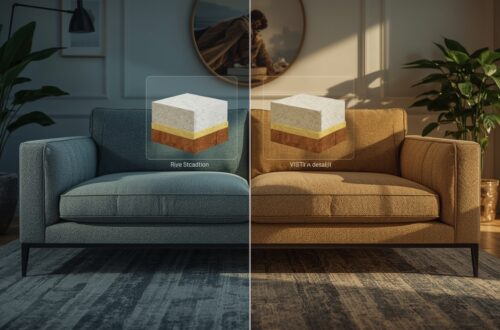
This matters because color doesn’t exist in a vacuum. A warm beige on a paint chip looks completely different in a north-facing room with cool daylight than it does in a south-facing room with hours of direct sun. Professionals account for this. Homeowners guessing from swatches usually don’t.
Who Offers Color Consultations?
Several types of professionals offer this service. Knowing the differences helps you choose the right one for your needs.
- Interior designers with color specialization: Full-service designers who offer color consultations as a standalone service. They understand how color interacts with furniture, textiles, and accessories — not just walls.
- Certified color consultants: Specialists trained specifically in color theory and perception. Many hold certifications through organizations like the International Association of Color Consultants and Designers (IACC-NA).
- Paint brand consultants: Some paint retailers like Benjamin Moore and Sherwin-Williams offer in-store or in-home consultations, sometimes free or discounted. These are valuable but may lean toward that brand’s palette.
- Virtual color consultants: Remote sessions using photos, video calls, and digital tools. Typically lower cost, but lighting assessment is less precise.
What Happens During a Color Consultation Session?

Quick Answer: During a color consultation, the consultant walks through your space, assesses natural and artificial lighting, reviews fixed finishes and furniture, asks about your style preferences, and tests paint samples in multiple spots. The session ends with specific color recommendations.
Step 1: Lighting Assessment
Before recommending a single color, a good consultant evaluates light. They check which direction each room faces (north-facing rooms get cool, indirect light; south-facing rooms get warm, direct light). They look at window size, window treatments, and how much natural light actually reaches each wall.
They also evaluate artificial lighting — bulb color temperature (measured in Kelvins), fixture placement, and whether the lighting is warm or cool. A 2700K incandescent-style bulb makes colors warmer. A 4000K LED pushes colors toward cool blue-gray. Your consultant needs to account for both.
Step 2: Fixed Finishes Inventory
Every room has elements you can’t easily change: hardwood floors, tile, countertops, cabinetry, brick, or existing trim. These form your color anchor points — the non-negotiables that all other colors need to work with.
Your consultant identifies the undertones in these fixed elements. Wood floors, for example, often have orange or red undertones that clash with certain grays. Knowing this upfront prevents expensive paint mistakes.
Step 3: Style and Preference Discovery
The consultant asks questions about how you want each space to feel. Calm and restful? Energizing and social? Sophisticated and moody? They may review inspiration images you’ve collected or ask you to respond to color samples to calibrate your preferences.
This step also covers practical factors: Do you have young kids or pets? (Higher-sheen finishes clean easier.) Are you planning to sell in the next two years? (Neutral palettes often support resale value.) Do you want the whole home to flow together or each room to have its own identity?
Step 4: Sample Testing and Final Recommendations
Most consultants bring large paint samples or peel-and-stick swatches (12 inches by 12 inches or larger) to test on your actual walls. Small chip samples are nearly useless — they don’t show how a color reads at scale or how it reacts to your specific light.
At the end of the session, you receive specific recommendations: paint brand, color name, color code (LRV, RGB, or chip number), sheen level for each surface, and how colors relate across rooms.
How Much Does a Color Consultation Cost?
Quick Answer: Most residential color consultations cost between $150 and $500 for a 1 to 3 hour in-home session. Virtual consultations run $75 to $200. Full-home packages covering multiple rooms can reach $600 to $1,200 depending on scope and location.
| Consultation Type | Typical Duration | Average Cost | Best For |
|---|---|---|---|
| Virtual consultation (1 room) | 45–60 minutes | $75–$150 | Single room, limited budget |
| In-home consultation (1–2 rooms) | 1–2 hours | $150–$300 | Targeted problem areas |
| In-home consultation (full home) | 2–4 hours | $350–$700 | Whole-home color cohesion |
| Paint brand in-store consultation | 30–60 minutes | Free–$50 | Quick direction, single brand palette |
| Designer package with follow-up | 3–5 hours total | $500–$1,200 | Complex spaces, renovation projects |
What Affects the Price?
Geographic location is the biggest pricing variable. Consultants in major metro areas like New York, Los Angeles, or Chicago typically charge 30 to 50 percent more than consultants in smaller markets.
Scope matters too. A consultation covering exterior color choices in addition to interior rooms adds time and complexity. Consultants who provide a written color plan document, follow-up emails, or sample procurement services charge more than those who only provide verbal guidance.
Is It Worth the Cost?
A gallon of quality paint costs $60 to $90. If you repaint a room twice before getting the color right, you’ve spent $120 to $180 on paint alone — plus your time and the cost of labor if you hire a painter. A consultation that costs $200 and prevents two failed paint attempts pays for itself immediately.
What Does a Color Consultant Actually Analyze?

Quick Answer: Color consultants analyze light direction, color temperature, undertones in fixed finishes, Light Reflectance Value (LRV) of paint colors, color flow between adjacent rooms, and how colors shift across morning, afternoon, and evening light conditions.
| Attribute | What It Means | Why It Matters | Typical Range |
|---|---|---|---|
| Light Reflectance Value (LRV) | How much light a color reflects (0 = black, 100 = white) | Determines how light or dark a room feels | 0–100 scale |
| Color temperature (bulbs) | Warmth or coolness of artificial light | Shifts how paint colors read on walls | 2700K–5000K |
| Undertone | Hidden hue beneath a color’s surface appearance | Prevents clashes with floors, counters, trim | Red, yellow, green, blue, purple |
| Chroma/Saturation | Intensity of a color | High saturation overwhelms small spaces | Low, medium, high |
| Room orientation | Direction the room faces | Determines quality and temperature of natural light | North, south, east, west |
| Paint sheen level | Surface finish from flat to high-gloss | Affects durability, cleanability, and light reflection | Flat, matte, eggshell, satin, semi-gloss, gloss |
How Undertones Work (and Why They Trip People Up)
Every paint color has an undertone — a secondary hue that becomes visible under certain light conditions or next to certain surfaces. A gray that looks neutral in the store might read distinctly purple in your bathroom or clearly green in your kitchen.
Identifying undertones is one of the most valuable things a color consultant does. They train their eyes to see these hidden hues where most homeowners can’t. They’ll place a paint sample next to your floor, your trim, and your countertop simultaneously — and catch conflicts before you commit to a full can.
Understanding Light Reflectance Value
LRV (Light Reflectance Value) is a number on a scale from 0 to 100. Colors with an LRV above 70 feel light and open. Colors below 40 absorb more light and create visual weight and depth.
In a small north-facing bathroom, a consultant might steer you toward a color with an LRV of 65 or higher to keep the space from feeling dark. In a large, bright living room, you have more flexibility to use deeper colors without losing the sense of space.
How Should You Prepare for a Color Consultation?

Quick Answer: Collect 10 to 20 inspiration images that show colors you like, make a list of fixed finishes you’re keeping, note which rooms feel “off” and why, and identify any colors you absolutely don’t want. Having this ready saves 30 to 45 minutes of session time.
Gather Inspiration Before the Session
Save images from sources like Architectural Digest, Houzz, or Pinterest that show colors you’re drawn to. You don’t need to love everything in the image — just flag the wall colors, the moods, or the specific combinations that catch your attention.
Bring both positive examples (colors you like) and negative examples (colors you’ve tried or seen that didn’t work). Both are useful. Your consultant can identify patterns in what you’re drawn to and what you’re avoiding — even if you can’t articulate why.
Document Your Fixed Finishes
Walk through each room and photograph your floors, trim, countertops, tile, and any large furniture pieces you plan to keep. Note the material too: oak floors, white marble countertops, warm walnut cabinets, gray ceramic tile. Your consultant will use this information to anchor the palette before the session even starts.
Write Down Your Problem Rooms
Make a list of spaces where you’ve struggled with color. Note what you’ve tried and what didn’t work. Maybe your living room always feels too dark no matter what color you try. Maybe your bathroom reads pink when you painted it beige. These problem descriptions help your consultant prioritize and give them diagnostic clues to work from.
Note How You Use Each Space
Color affects mood and function. A home office where you need focus benefits from different colors than a bedroom designed for rest. A dining room used for entertaining has different needs than a breakfast nook used for quick family meals. Brief notes about how each room functions help your consultant tailor recommendations beyond pure aesthetics.
| Task | What to Capture | Time Required |
|---|---|---|
| Inspiration images | 10–20 photos of colors/moods you like | 20–30 minutes |
| Fixed finishes photos | Floors, trim, countertops, large furniture | 15–20 minutes |
| Problem room notes | What you’ve tried and why it didn’t work | 10 minutes |
| Room function notes | How each space is used, mood goals | 10 minutes |
| Colors to avoid | Any hard “no” colors and why | 5 minutes |
What Color Consultation Deliverables Should You Expect?
Quick Answer: A standard color consultation deliverable includes a written color plan listing specific paint colors by room, with brand name, color name, color code, LRV, and recommended sheen level for each surface. Higher-tier packages may include a visual color board or follow-up support.
The Written Color Plan
Every reputable consultant provides a written summary of their recommendations. This is your reference document when purchasing paint and briefing your painter. A solid color plan includes the paint brand, exact color name, color code or chip number, LRV, finish type (eggshell, satin, etc.), and which surfaces it applies to in each room.
Without a written plan, you’re relying on memory — and verbal color recommendations are nearly impossible to reproduce accurately at the paint counter.
Visual Color Boards
Some consultants provide a visual color board: a physical or digital layout showing each recommended color alongside the fixed finishes it coordinates with. These boards are especially helpful if you’re briefing a contractor, painter, or design team.
Follow-Up Support
Higher-tier engagements often include follow-up support — usually one or two email check-ins after paint is applied to answer questions or make minor adjustments. Some consultants offer a return visit once paint is up to confirm the colors are reading as expected.
How Do You Choose the Right Color Consultant?
Quick Answer: Look for a consultant with verifiable portfolio examples in similar home styles, clear experience assessing lighting conditions, and a structured process that ends with a written deliverable. Certifications from IACC-NA or a formal design education add credibility but aren’t required.
Portfolio and Experience
Ask to see before-and-after photos or portfolio examples from past projects. Ideally, you want examples that match your home’s style and scale — an apartment portfolio doesn’t tell you much if you have a large traditional single-family home.
Ask how many years they’ve been offering color consultations specifically. General design experience helps, but color consulting is a specialized skill that improves significantly with dedicated practice.
Process and Deliverables
Before booking, ask exactly what the session covers and what you’ll receive at the end. A vague answer (“we’ll talk about your space and figure out what you like”) is a red flag. A clear answer (“we’ll assess light in each room, review your fixed finishes, and you’ll leave with a written color plan within 48 hours”) shows a professional process.
Red Flags to Watch For
- No written deliverable: Verbal-only recommendations are hard to use and easy to misremember.
- No lighting assessment: Recommending colors without evaluating light is guessing.
- Only working from photos: In-home consultants who rely solely on photos for in-person sessions miss critical lighting nuance.
- No questions about how you live: A consultant who jumps straight to color recommendations without understanding your lifestyle is prioritizing their preferences over yours.
How Does a Color Palette Flow Across an Entire Home?
Quick Answer: A whole-home color flow uses 1 or 2 anchor neutrals as a base, then introduces accent colors room by room. Adjacent rooms share at least one color element — a trim color, a complementary undertone, or a repeated accent — so the home feels connected rather than disjointed.
The 60-30-10 Color Rule
Most color consultants use the 60-30-10 framework as a starting point. Sixty percent of the room’s color comes from the dominant color (usually walls or large furniture). Thirty percent comes from a secondary color (upholstery, rugs, larger textiles). Ten percent comes from accent colors (pillows, art, small accessories).
This ratio creates visual balance. It prevents any one color from overwhelming the space and gives accent colors enough presence to register without competing with everything else.
Transition Colors Between Rooms
Open-plan homes with sightlines between rooms need careful color transitions. A color consultant identifies “bridge” colors — shades that share undertones with colors on either side — to move between spaces without a jarring visual shift.
Hallways and entryways often serve as transition zones. The colors chosen here set the tone for what follows. Your consultant typically addresses these spaces with the whole-home flow in mind rather than treating them as isolated rooms.
| Space | Color Role | Typical LRV Range | Common Sheen |
|---|---|---|---|
| Entry/hallway | Transition zone, first impression | 55–75 | Eggshell |
| Living room | Anchor color, most visible space | 45–75 | Eggshell or matte |
| Kitchen | Secondary anchor, coordinates with cabinets | 60–80 | Satin or semi-gloss |
| Primary bedroom | Restful, lower saturation | 50–70 | Matte or eggshell |
| Bathroom | Accent expression or clean neutral | 60–85 | Semi-gloss |
| Home office | Focus-supporting, medium saturation | 45–65 | Eggshell or matte |
What Are the Most Common Color Consultation Mistakes to Avoid?
Quick Answer: The most common mistakes are evaluating paint colors only under artificial light, choosing colors from small chip samples, ignoring undertones in existing finishes, and selecting colors room by room without considering how adjacent spaces connect visually.
Testing Colors Only in Store Lighting
Store lighting is designed to make products look good — not to simulate your home’s conditions. A color that looks perfect under bright retail lighting may read dull, green-tinged, or overly warm in your living room. Always test large samples on your actual walls in your actual light before committing.
Choosing Colors in Isolation
Picking a bedroom color without considering the hallway you walk through to get there creates a disconnected home. Color consultants think about sightlines — what you see from where you stand in each room. A color that looks great alone can clash visually with an adjacent space if the undertones conflict.
Ignoring Trim and Ceiling Colors
White is not just white. Benjamin Moore lists over 150 whites in their collection. The wrong white trim can make a wall color look dingy or clash with warm wood floors. Your consultant evaluates trim and ceiling color as part of the overall palette — not as afterthoughts.
Frequently Asked Questions
How long does a color consultation take?
Most in-home color consultations run 1 to 3 hours for a single-family home. A session covering 2 to 3 rooms averages about 90 minutes. Full-home consultations covering 6 or more rooms can take 3 to 4 hours. Virtual sessions are typically shorter at 45 to 60 minutes per room.
Can a color consultant help with exterior paint colors?
Yes, many consultants offer exterior color consultations as a separate service or add-on. Exterior work involves additional considerations like neighborhood context, architectural style, roof and hardscape colors, and how the color reads under direct sunlight from all angles. Exterior consultations often cost $100 to $200 more than interior-only sessions.
Do I need to clear or clean my rooms before the consultant arrives?
You don’t need to deep-clean, but clearing clutter from walls and floors helps. The consultant needs to see your fixed finishes clearly — floors, trim, baseboards, and any tile or countertop visible from the room. Keep existing furniture in place since it’s part of what the consultant needs to work around.
What paint brands do color consultants typically recommend?
Independent color consultants most commonly recommend Benjamin Moore, Sherwin-Williams, Farrow and Ball, and Behr. Benjamin Moore and Sherwin-Williams have the widest color ranges and consistent quality. Farrow and Ball is popular for its deep, complex pigments and historically inspired palettes. Your consultant may have a preferred brand based on their regional availability and past results.
Is a virtual color consultation as good as an in-home session?
Virtual consultations work well for general direction and palette building. They fall short on lighting assessment — the most critical part of color selection. Photos flatten lighting conditions and shift colors depending on the camera and device screen used to view them. For high-stakes decisions like a whole-home repaint, an in-home session is worth the extra cost.
How many colors does a color consultant typically recommend per room?
A standard recommendation covers one wall color, one trim color, and one ceiling color per room. Some rooms get an accent wall or a fifth color for built-ins or cabinetry. Most consultants work within a 3 to 5 color palette per room to maintain visual cohesion and prevent overstimulation.