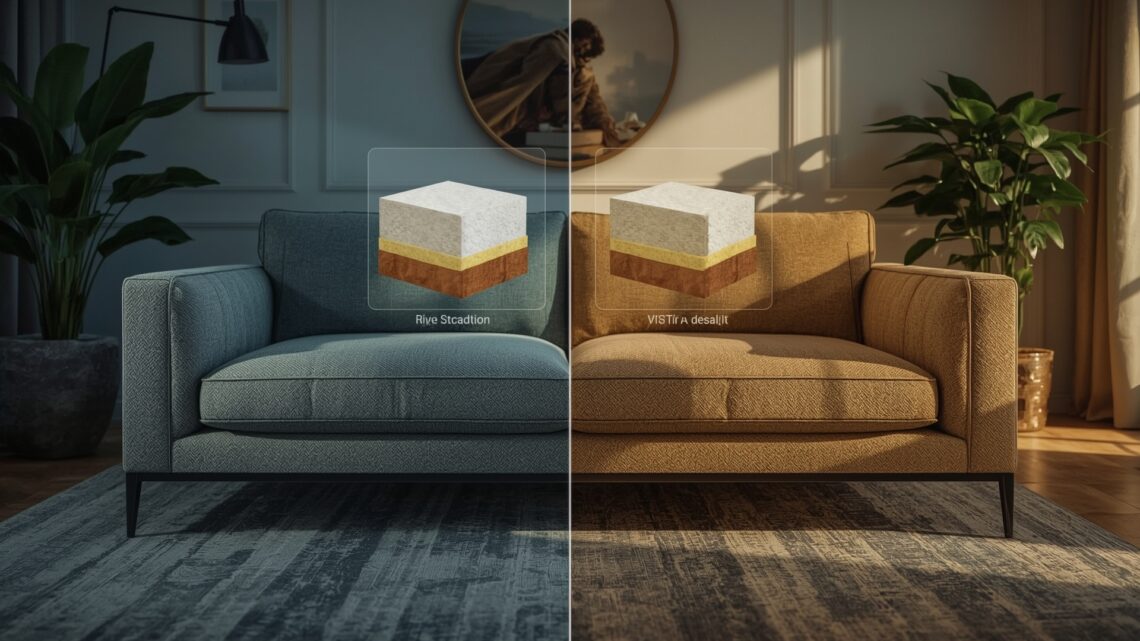
That $200 sofa looks like a bargain until you replace it three times in a decade. The $800 sofa sitting next to it might feel expensive today, but spread across ten years, it costs you less per year and less in landfill guilt. Furniture pricing is rarely what it appears on the tag.
This guide breaks down the real numbers behind cheap and quality furniture, including cost-per-year math, what actually makes furniture durable, and why the “affordable” choice often costs more over time.
Key Takeaways
- Cost per year matters more than sticker price. A $900 sofa lasting 15 years costs $60/year. A $250 sofa lasting 3 years costs $83/year.
- Frame material is the single biggest durability factor. Kiln-dried hardwood frames last decades. Particleboard frames fail within a few years.
- Cheap furniture has hidden costs including replacement purchases, delivery fees, and disposal costs that add up quickly.
- Upholstery rub count predicts fabric lifespan. Anything below 15,000 double rubs is low-duty and wears out fast.
- Environmental impact compounds with each replacement cycle. Replacing a sofa every 3 years generates roughly 3–4x more landfill waste than buying once for 12+ years.
- Mid-range often delivers the best value. You don’t need to spend at the luxury tier to get solid construction and long lifespan.
What Actually Separates Cheap Furniture from Quality Furniture?
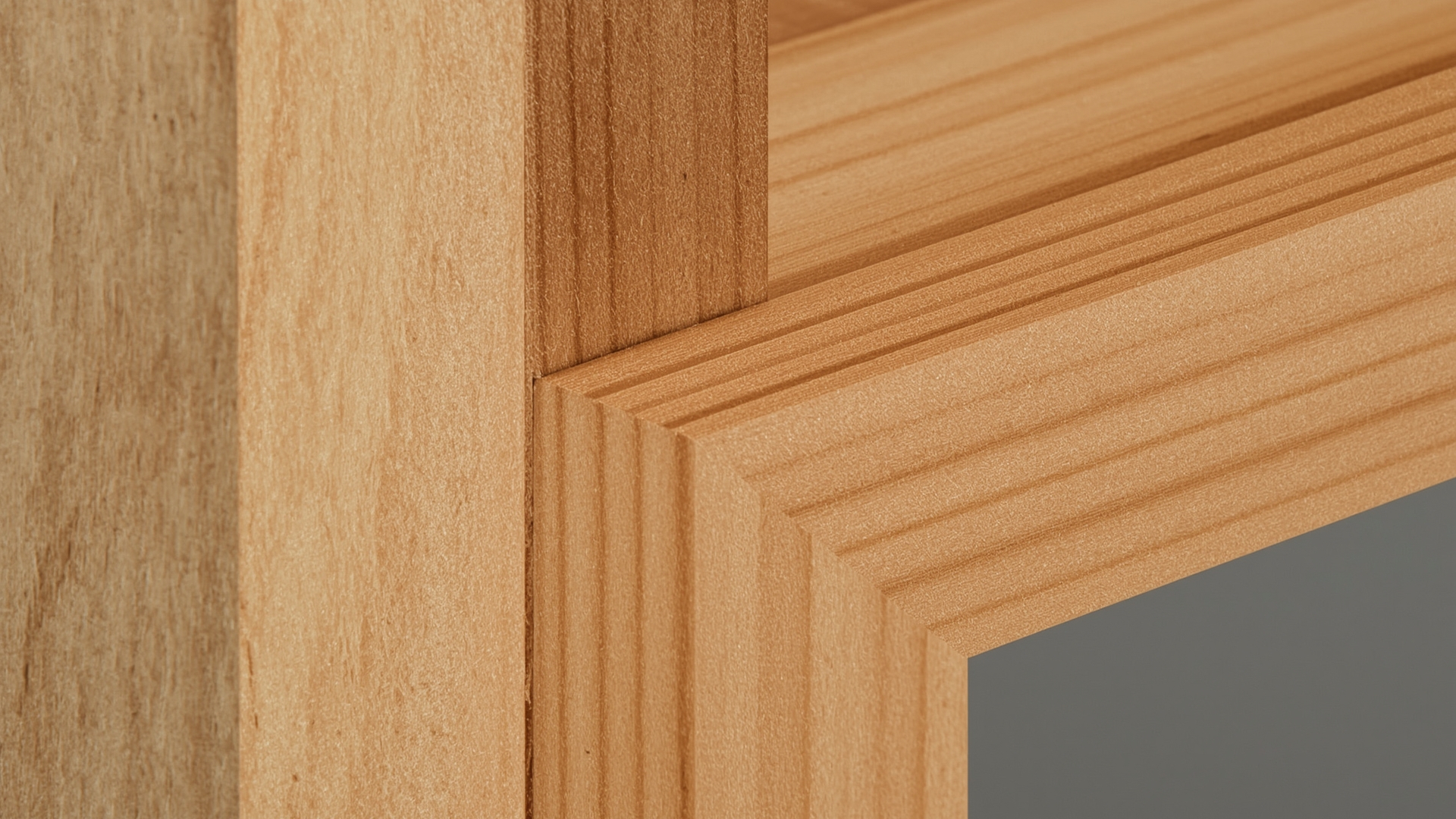
Quick Answer: Quality furniture uses hardwood frames, high-density foam, and dovetail joinery. Cheap furniture uses particleboard, MDF, and stapled corners. The difference shows up in how long a piece holds its shape, weight, and structure under daily use.
Most shoppers compare style and price. The real comparison happens inside the piece, where you can’t see it.
Frame Construction: The Skeleton That Determines Everything
The frame is the load-bearing structure of any seating or case furniture. It dictates how long a piece lasts under real-world use — sitting, leaning, stacking, moving.
Kiln-dried hardwood (like maple, ash, or beech) is the gold standard. The kiln-drying process removes moisture so the wood won’t warp or crack as it ages. Cheap furniture often uses green wood, which shrinks and warps after purchase.
Joints matter just as much as material. Mortise-and-tenon or dovetail joints use interlocking wood shapes that stay strong without glue alone. Stapled and glued butt joints, common in budget furniture, can fail within 2–5 years of regular use.
Upholstery and Cushion Fill: Where Comfort Degrades First
Foam density is measured in pounds per cubic foot. High-density foam (1.8 lb/ft³ or above) holds its shape for years. Low-density foam (under 1.5 lb/ft³) compresses and sags within months of regular sitting.
Fabric durability is measured in double rubs, a test that simulates friction and wear. A double rub count tells you how many back-and-forth cycles a fabric can handle before showing wear. Anything below 15,000 double rubs is light-duty. Residential furniture benefits from 15,000–30,000, and heavy-use pieces or commercial settings need 30,000 or more.
Hardware and Fasteners: Small Parts, Big Impact
Drawer slides, hinges, and leg hardware are easy to overlook but critical to longevity. Solid metal drawer slides rated for 75 lbs or more last far longer than plastic slides rated for 30 lbs. Wobbly legs on dining chairs are almost always a fastener or joint failure, not just poor design.
| Component | Budget Tier | Mid-Range Tier | Quality/Heirloom Tier |
|---|---|---|---|
| Frame Material | Particleboard, MDF, stapled joints | Engineered wood + some hardwood | Kiln-dried hardwood, mortise-and-tenon joints |
| Foam Density | Under 1.5 lb/ft³ | 1.5–1.8 lb/ft³ | 1.8–2.0+ lb/ft³ (often wrapped in down or fiber) |
| Fabric Durability | Under 10,000 double rubs | 15,000–25,000 double rubs | 30,000–100,000+ double rubs |
| Drawer Slides | Plastic, 20–30 lb rated | Metal, 50–75 lb rated | Ball-bearing metal, 75–100 lb rated, soft-close |
| Expected Lifespan (Sofa) | 2–5 years | 8–12 years | 15–25+ years |
How Do You Calculate the True Cost of Furniture Over Time?

Quick Answer: Divide the purchase price by the expected lifespan in years. A $300 sofa lasting 3 years costs $100/year. A $900 sofa lasting 15 years costs $60/year. The cheaper piece costs 67% more annually.
Cost-per-year math is the clearest way to compare furniture across price tiers. It strips away the emotional response to a big upfront price and reveals the real financial decision.
The Cost-Per-Year Formula Explained
The formula is simple: Total Cost ÷ Expected Lifespan in Years = Annual Cost of Ownership.
Total cost should include purchase price, delivery fees, and disposal costs when the piece reaches end of life. Disposal fees for furniture (particularly in urban areas) can range from $50 to $200 depending on your location and piece size. If you replace a sofa every 3 years, those fees compound quickly.
Real Cost-Per-Year Examples Across Furniture Categories
| Furniture Piece | Budget Option | Mid-Range Option | Quality Option |
|---|---|---|---|
| Sofa (purchase price) | $250–$400 | $700–$1,200 | $1,500–$3,500+ |
| Sofa (lifespan) | 2–4 years | 8–12 years | 15–25 years |
| Sofa (cost/year) | $83–$125/year | $67–$100/year | $60–$140/year |
| Dining Table (purchase price) | $150–$300 | $500–$900 | $1,200–$4,000+ |
| Dining Table (lifespan) | 3–6 years | 10–15 years | 25–50+ years |
| Dining Table (cost/year) | $33–$75/year | $40–$67/year | $24–$80/year |
| Bed Frame (purchase price) | $100–$250 | $400–$800 | $1,000–$3,000+ |
| Bed Frame (lifespan) | 3–5 years | 10–15 years | 20–40 years |
| Bed Frame (cost/year) | $30–$62/year | $30–$55/year | $25–$75/year |
Notice something: quality furniture doesn’t always win on cost-per-year at the highest price points. The sweet spot is almost always the mid-range to lower-end quality tier, where construction is solid and price hasn’t entered luxury markup territory.
Hidden Costs That Don’t Appear on the Price Tag
Every replacement cycle adds costs that most shoppers ignore when comparing prices. These include:
- Delivery fees: $50–$250 per order, charged every time you replace a piece
- Disposal fees: $50–$200 per large furniture item in most metro areas
- Time cost: Research, ordering, assembly, and waiting on delivery windows
- Mismatch costs: Replacing one piece means other pieces may no longer match, triggering additional purchases
A family that replaces a cheap sofa four times in 12 years pays delivery and disposal fees four separate times. That easily adds $400–$1,800 in fees alone, on top of the sofa purchases themselves.
Which Furniture Materials Offer the Best Durability Per Dollar?
Quick Answer: Solid hardwood delivers the highest durability per dollar for tables and case goods. For upholstered pieces, a kiln-dried hardwood frame with 1.8 lb/ft³ foam density is the target. Both materials sit comfortably in the mid-range price tier.
Solid Wood vs. Engineered Wood vs. Particleboard
Solid wood furniture, made from a single species like oak, walnut, or maple, can last generations with basic care. It can be sanded, refinished, and repaired. Particleboard furniture cannot be meaningfully repaired — once the surface delaminates or the core swells from moisture, it’s done.
Engineered wood (plywood, MDF core with wood veneer) sits in between. High-quality plywood core furniture can last 10–20 years, especially in case goods like dressers and bookshelves. Low-grade MDF is closer to particleboard in real-world durability.
Metal and Mixed-Material Furniture Durability
Steel and cast iron furniture is extremely durable, especially for bed frames and outdoor-adjacent pieces. Powder-coated steel resists chipping and corrosion far better than painted finishes. Welded joints outperform bolted joints for longevity.
Aluminum is lightweight and rust-resistant but dents more easily than steel. It’s best suited for occasional-use pieces or outdoor furniture where rust resistance matters more than impact resistance.
| Material | Expected Lifespan | Repairability | Moisture Resistance | Best Use Case |
|---|---|---|---|---|
| Kiln-dried hardwood | 25–100+ years | High (sand, refinish, repair) | Moderate (seal required) | Tables, chairs, bed frames, case goods |
| Solid softwood (pine) | 15–30 years | Moderate | Low–moderate | Bedroom furniture, shelving |
| High-grade plywood | 10–20 years | Low–moderate | Moderate | Cabinets, bookshelves, case goods |
| MDF with veneer | 5–10 years | Low | Low | Low-traffic surfaces, decorative pieces |
| Particleboard | 2–5 years | Very low | Very low | Disposable or starter furniture |
| Powder-coated steel | 20–50 years | Moderate | High | Bed frames, outdoor, accent pieces |
| Cast iron | 50–100+ years | High | Moderate (rust if uncoated) | Beds, outdoor, decorative hardware |
Does Cheap Furniture Really Cost More in the Long Run?
Quick Answer: In most cases, yes. A $300 sofa replaced every 3 years costs $1,200 over 12 years, plus repeated delivery and disposal fees. A single $900 mid-range sofa lasting 12 years costs 25–50% less over that same period.
The math favors quality furniture in nearly every common scenario. But the answer isn’t always “spend more.” It’s “spend smarter.”
When Cheap Furniture Actually Makes Sense
There are situations where low-cost furniture is the rational choice:
- Temporary housing: If you’re renting for 12–18 months before moving, a cheap piece that survives the lease term is a reasonable call.
- Children’s rooms: Kids grow fast. Furniture they’ll outgrow in 3–4 years doesn’t justify a 20-year investment.
- Staging or display use: Furniture used for staging, photography, or infrequent guests doesn’t face the same wear patterns as daily-use pieces.
- Budget constraints with no flexibility: A $200 sofa when that’s genuinely all you can spend is better than no sofa.
When Quality Furniture Pays Off Most
Quality furniture delivers maximum return on investment in high-use, long-stay, or heirloom-value situations:
- Primary seating in living rooms used daily by 2–4+ people
- Dining tables that see daily meals, homework, and gatherings
- Bed frames that support sleep quality and mattress lifespan
- Office chairs used 6–10 hours per day (posture and ergonomics factor in)
- Pieces you want to keep for 15+ years as part of a consistent interior
How Does Furniture Quality Affect Environmental Impact?
Quick Answer: Lower-quality furniture that gets replaced every 2–5 years generates 3–5x more landfill waste than a quality piece lasting 15–25 years. Most cheap furniture cannot be recycled, repaired, or resold, so it goes straight to landfill.
Furniture is one of the largest contributors to household landfill waste. According to the U.S. Environmental Protection Agency, Americans discard approximately 12 million tons of furniture and furnishings per year. The vast majority of that is particleboard and low-grade composite materials that cannot be recovered.
Why Cheap Furniture Ends Up in Landfills Faster
Particleboard and low-grade MDF cannot be meaningfully repaired. When the surface peels, swells, or the joint fails, there’s no fix. The piece goes to the curb. Solid wood furniture, by contrast, can be stripped, refinished, reglued, and resold through secondhand markets indefinitely.
Secondhand furniture markets (thrift stores, estate sales, Facebook Marketplace) are almost entirely stocked with solid wood and quality upholstered pieces. Budget flat-pack furniture rarely survives a single move, let alone a secondhand market cycle.
The Lifecycle Equation: Replacements vs. Durability
Every replacement cycle generates carbon emissions from manufacturing, transport, packaging waste, and disposal. A single quality sofa used for 20 years generates a fraction of the total emissions of five budget sofas purchased over the same period, even if the quality sofa required slightly more resources to produce initially.
Buying quality and keeping it longer is one of the simplest sustainability decisions available to homeowners. It requires no lifestyle overhaul, just a shift in how you calculate value.
What Are the Best Strategies for Buying Quality Furniture on a Budget?
Quick Answer: Buy quality used furniture at 30–70% off original price through estate sales, thrift stores, and resale platforms. Prioritize frame and structure over cosmetics — worn upholstery can be reupholstered for $150–$400, far cheaper than a new quality piece.
Secondhand Markets: Where Quality Lives at Cheap Prices
Estate sales, auction houses, and resale platforms like Facebook Marketplace and Craigslist regularly list quality solid wood and upholstered furniture at a fraction of retail. A solid hardwood dining table that retails for $1,200 might sell for $150–$350 used.
The key is evaluating structure, not surface condition. Look for:
- Solid wood frames (knock on the piece — particleboard sounds hollow)
- Tight joints with no wobble
- Drawers that slide smoothly without binding
- Cushion foam that springs back quickly (press and release)
Reupholstery as a Cost Strategy
A quality sofa frame in poor cosmetic condition is still a quality frame. Professional reupholstery on a loveseat runs $300–$700. On a full sofa, $600–$1,500 depending on fabric and labor market. If the frame is solid hardwood with good joinery, reupholstery can extend its life by 10–20 more years at a fraction of new furniture cost.
Prioritizing Spending: Which Pieces Deserve the Quality Budget?
Not every piece needs to be top tier. A smart budget allocation prioritizes high-use, high-visibility pieces for quality spending and accepts budget options for low-use or temporary pieces.
| Furniture Piece | Daily Use Level | Recommended Tier | Reason |
|---|---|---|---|
| Primary sofa | Very high (4–8 hrs/day) | Mid-range to quality | Highest wear; cost/year math favors durability |
| Bed frame | High (nightly) | Mid-range to quality | Structural integrity affects mattress and sleep |
| Dining table | High (daily meals) | Mid-range to quality | Surface wear, weight load, longevity all matter |
| Office/desk chair | Very high (6–10 hrs/day) | Quality | Posture, ergonomics, and foam density critical |
| Guest bedroom furniture | Low (occasional) | Budget to mid-range | Low wear means budget options hold up fine |
| Accent/decorative pieces | Very low | Budget acceptable | Minimal structural stress; aesthetics drive decision |
| Children’s bedroom furniture | Moderate (grows out fast) | Budget to mid-range | Short relevance window reduces ROI on quality |
What Are the Warning Signs of Poor Furniture Quality?
Quick Answer: Key red flags include lightweight frames that feel hollow when knocked, fabric rub counts under 10,000 double rubs, foam that doesn’t spring back, stapled corner joints visible under the frame, and legs attached by a single screw or bolt rather than a solid joint.
How to Test Furniture Quality In the Store or at Delivery
You don’t need technical knowledge to spot poor construction. These practical tests work on sofas, chairs, tables, and case goods:
- The knock test: Knock on the frame. Hollow sounds indicate particleboard or MDF. Solid sounds indicate hardwood or plywood.
- The wobble test: Push gently on corner joints and legs. No movement should occur in quality construction.
- The foam press test: Press the seat cushion firmly and release. High-density foam bounces back in under 2 seconds. Low-density foam stays compressed.
- The drawer test: Open and close drawers fully. Quality slides operate smoothly with no catching, tilting, or rattling.
- The flip test: Flip a sofa or chair to check the underside. Visible staples as the primary joint method is a red flag. Wood blocks glued and screwed into corners indicate quality frame construction.
Red-Flag Language in Furniture Listings
Product descriptions often signal quality through omission. When a listing doesn’t mention material type, you can usually assume it’s particleboard or MDF. Terms like “wood composite,” “engineered wood product,” or “wood-look finish” typically indicate lower-grade materials. Terms like “solid [species name]” or “kiln-dried hardwood” are specific and harder to fake.
How Do Furniture Warranties Reflect Build Quality?
Quick Answer: Quality furniture brands typically offer 5–25 year structural warranties. Budget furniture commonly offers 1-year or no warranty. A longer warranty signals manufacturer confidence in the frame and joinery — and gives you real recourse if something fails.
Reading a Furniture Warranty the Right Way
Most furniture warranties cover the frame separately from cushions, fabric, and mechanisms. Frame warranties of 5–25 years from reputable brands indicate genuine confidence in construction. A 1-year limited warranty on a sofa is a signal, not a feature.
Watch for exclusions. “Normal wear and tear” exclusions in cheap furniture warranties can void claims for basic use. A quality warranty covers normal residential use explicitly. It also specifies what the brand will do — repair, replace, or refund — rather than leaving it vague.
Brands That Offer Strong Warranty Coverage
Brands known for strong structural warranties include Ethan Allen (lifetime frame warranty), La-Z-Boy (lifetime frame and mechanism warranty), and Stickley (generational heirloom warranty). These warranties exist because the construction supports them. A company building particleboard frames can’t offer a 25-year warranty and stay profitable.
Is It Worth Repairing Furniture Instead of Replacing It?
Quick Answer: Yes, if the frame is solid wood. Structural repairs, reupholstery, and refinishing on quality frames cost $100–$1,500 depending on scope and often extend lifespan by 10–20 years. Repairing particleboard or MDF furniture is rarely cost-effective.
Repairs Worth Making vs. Repairs to Skip
The decision to repair depends almost entirely on frame material and repair cost relative to replacement cost.
- Worth repairing: Loose joints on solid wood chairs ($20–$80 DIY or professional reglue), worn upholstery on hardwood-framed sofas ($400–$1,200), surface scratches on solid wood tables ($10–$50 DIY refinish)
- Not worth repairing: Swollen or delaminated particleboard surfaces (unfixable structurally), broken MDF drawer fronts (cost of replacement part often approaches cost of new furniture), foam replacement in budget sofas with failed frames
A simple rule: if the frame is solid wood, repair almost always beats replacement on cost and environmental impact. If the frame is particleboard, replacement is almost always the practical path — which is exactly why avoiding particleboard at purchase time matters so much.
Frequently Asked Questions
What is the average lifespan of a cheap sofa versus a quality sofa?
A budget sofa typically lasts 2–5 years under regular use. A quality sofa with a kiln-dried hardwood frame and high-density foam cushions can last 15–25 years. The lifespan gap is driven primarily by frame construction and foam density, not aesthetics.
Does expensive furniture always mean better quality?
No. Price reflects brand markup, materials, and design, but not always construction quality. Some mid-range brands deliver better build quality than luxury retailers that charge premiums for aesthetics. Always check frame material, foam density, fabric rub count, and warranty length rather than relying on price alone.
Can I identify furniture quality without a professional?
Yes. Use the knock, wobble, foam press, and drawer tests described above. Flip the piece to examine joinery on the underside. Check the product listing for material specifics. If the listing doesn’t name the wood species or foam density, that’s often a quality signal in itself.
What happens to cheap furniture when it breaks?
Most cheap furniture made from particleboard or MDF goes directly to landfill when it fails. These materials cannot be meaningfully repaired, resold, or recycled. In contrast, solid wood furniture can be repaired, refinished, donated, or resold through secondhand markets, keeping it out of landfill entirely.
Is flat-pack furniture always low quality?
Not always. Some flat-pack brands use solid wood or high-grade plywood in their construction. IKEA’s higher-end solid wood lines, for example, are meaningfully more durable than their particleboard equivalents. The key is checking material specs, not assuming flat-pack means disposable.
How does furniture quality affect indoor air quality?
Low-quality furniture often uses adhesives and finishes that off-gas volatile organic compounds, also called VOCs. These are chemical gases released into your home’s air, sometimes for months after purchase. Quality furniture brands increasingly use low-VOC or zero-VOC finishes and adhesives, which reduces exposure risk for household occupants, especially in poorly ventilated spaces.