So, you’re getting into metal roofing, huh? It’s a solid choice, really. But like anything, you need the right gear to do it right. Cutting metal panels can seem tricky, but with the correct metal roofing tools, you can get clean, accurate cuts every time. Let’s break down what pros use to get the job done.
Key Takeaways
- Having the right metal roofing tools is key for accuracy and safety when cutting panels.
- Basic tools like tape measures, speed squares, and permanent markers are important for marking and measuring.
- For hand cuts, tin snips are common, with different types for straight or curved lines. Stubai snips are a pro favorite.
- Power tools like reciprocating saws and nibblers help with thicker materials or faster cuts, but be mindful of heat affecting coatings.
- Always prioritize safety by wearing proper gear and clearing debris to prevent rust.
Essential Metal Roofing Tools For Accurate Cuts
When you’re starting out with metal roofing, getting your cuts right is super important. It’s not just about making things look good, but also about making sure the roof seals properly and lasts a long time. Luckily, there are some basic tools that make this whole process way easier and more accurate.
The Indispensable Tape Measure
First things first, you absolutely need a good tape measure. This is your go-to for getting the measurements just right. Accuracy here prevents costly mistakes later on. You’ll want one that’s at least 25 feet long, and it’s handy if it has markings in both inches and millimeters. This way, you can handle any measurement system thrown your way.
Marking Your Lines With Precision
Once you’ve measured, you need to mark your cut lines. Forget about using a regular pencil, especially on bare metal. Graphite can actually cause corrosion over time, which is the last thing you want. Instead, grab a permanent marker, like a Sharpie. These are perfect for making clear, visible lines on the metal panels. For making sure your lines are perfectly straight and your corners are square, a speed square is a lifesaver. It’s a simple, affordable tool that helps you mark lines and check angles, making sure everything lines up just right. You can find a great selection of metal roof cutting tools to help with these tasks.
The Versatile Speed Square
Speaking of speed squares, these things are incredibly useful. They’re usually made of tough plastic or aluminum and have all sorts of markings on them. You can use them to draw straight lines, check if your cuts are at a perfect 90-degree angle, and even help set up angled cuts. For the small price they cost, they really are a fantastic addition to your toolkit.
Handheld Metal Roofing Tools For Finesse
When you need to make those finer adjustments or tackle smaller cuts on a metal roof, having the right handheld tools is a game-changer. These aren’t the heavy hitters, but they’re the ones that let you get into the details and ensure a clean, professional finish. Think of them as your precision instruments for metal roofing.
Mastering Cuts With Tin Snips
Tin snips, often called aviation snips, are your go-to for cutting straight lines, curves, and intricate shapes in metal roofing. They work by shearing the metal, and the different types are designed for specific cutting directions. Using the right snips for the job makes all the difference in ease of use and the quality of your cut. It’s like having a pair of specialized scissors for metal.
- Straight Cut Snips: These usually have yellow handles and are great for making long, straight cuts. They’re your workhorse for general cutting.
- Left Cut Snips: Typically red-handled, these are designed for cutting curves to the left and tight circles. They’re super handy when you need to cut around obstacles or make specific shapes.
- Right Cut Snips: With green handles, these are the opposite of left-cut snips, perfect for curves to the right and circles. Having both left and right snips means you can tackle any curve with confidence.
When you’re using tin snips, remember to keep your blades sharp. Making small, consistent cuts rather than trying to force the snips through the metal will give you much cleaner results and save your hands from unnecessary fatigue. It might take a little practice to get the feel for it, but soon you’ll be cutting like a pro.
Choosing The Right Snips For The Job
Not all tin snips are created equal, and picking the right type for your specific cut is key. You’ll want to consider the gauge of the metal you’re working with. Most quality snips can handle up to 16-18 gauge steel, which is pretty robust. Look for features like compound leverage, which gives you more cutting power with less effort, and comfortable grips to reduce hand strain over long periods. Investing in a good set of snips, often available for under $100, is a smart move for any roofer.
The Professional’s Choice: Stubai Snips
While there are many brands out there, professionals often turn to brands like Stubai for their durability and precision. Stubai snips are known for their high-quality steel and excellent craftsmanship, meaning they stay sharp longer and provide a more consistent cut. They might cost a bit more upfront, but the longevity and performance they offer can save you money and frustration in the long run. If you’re serious about metal roofing, checking out high-quality metal cutting tools is a worthwhile investment.
Working with metal roofing requires attention to detail, and handheld snips are where that finesse really comes into play. Don’t underestimate their importance for achieving those clean edges and precise fits that make a roof look truly professional. They’re the tools you’ll reach for again and again for those detailed cuts.
Power Tools For Efficient Metal Roofing Cuts
When you’re dealing with thicker metal roofing materials or need to make cuts quickly, power tools become your best friend. They can really speed things up and make the job a lot less strenuous. But, like with any power tool, it’s important to know what you’re doing and how to use them safely.
Tackling Heavy Gauge Materials With Reciprocating Saws
Reciprocating saws, often called Sawzalls, are workhorses for cutting through tougher stuff. They’re fantastic for making curved cuts or irregular shapes in metal panels that might be tricky with other tools. When you pick one up, look for variable speed settings so you can control how fast it cuts, and always make sure you’ve got a blade specifically designed for cutting metal. Brands like Dewalt and Milwaukee make some solid options that get the job done.
Understanding Heat Impact On Coatings
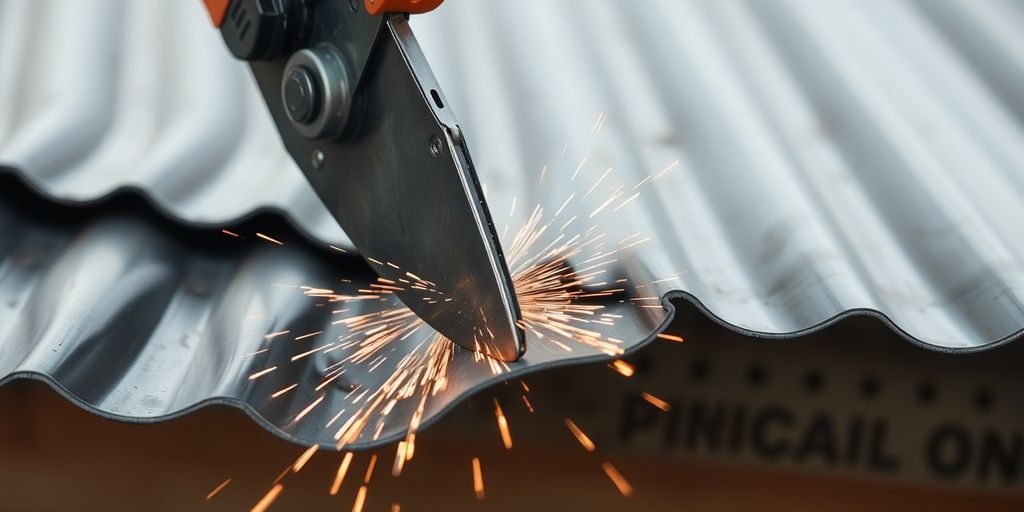
This is a big one, folks. Metal roofing panels often have a protective coating, like Galvalume®, which is a mix of zinc and aluminum. This coating is what keeps rust and corrosion at bay. When you use a power saw, friction creates heat. If that heat gets too high, it can actually melt away that protective zinc coating, leaving the metal vulnerable. So, the trick is to make your cuts as quickly as possible, minimizing the time the blade is in contact with the metal. Think of it as a quick, clean slice rather than a slow, hot grind. We want to keep that coating intact for the long haul.
The Power Of Impact Guns For Fastening
While not strictly for cutting, impact guns, or impact drivers, are super important for the overall efficiency of metal roofing installation. They drive fasteners into the metal panels quickly and securely, which is a huge time saver compared to doing it by hand. You can find them starting around $80, and they come with all sorts of features. Just make sure the one you get has enough power for your specific fasteners and the metal gauge you’re working with. Getting the right impact driver can make a big difference in how fast you can finish a project.
Advanced Metal Roofing Cutting Solutions
When you’re ready to move beyond the basics and tackle more demanding metal roofing jobs, there are some specialized tools that can really make a difference. These aren’t your everyday items, but they’re what professionals often turn to for precision and efficiency on tougher projects.
Achieving Clean Cuts With Nibblers
Nibblers are pretty neat tools for cutting sheet metal. They work by punching out tiny bits of metal one after another, which gives you a really clean cut without messing up the surrounding material. This means less distortion and fewer burrs, which is a big deal when you want a professional finish. They’re also quite versatile and can handle different thicknesses and types of metal, giving you good control for those intricate cuts.
Exploring Electric Shears For Long Cuts
For those really long, straight cuts, electric shears are a lifesaver. They make quick work of panels, saving you a ton of time and effort compared to hand tools. You just guide the shear along your marked line, and it does the cutting. It’s a much faster way to get through long runs of metal roofing.
Customizing Circular Saw Blades For Metal
While a standard circular saw might not seem like the first choice for metal, you can actually get specialized blades for them. These blades are designed to cut through metal without generating excessive heat, which is important because too much heat can damage the protective coatings on metal roofing panels. Using the right blade is key to avoiding damage and getting a clean cut. It’s a good option if you’re already comfortable with a circular saw and need to make precise, straight cuts.
Safety First When Working With Metal Roofing Tools
Working with metal roofing means you’re dealing with materials that can be sharp and tools that can be powerful. Safety really needs to be front and center on any job site. It’s not just about getting the job done, but getting it done without anyone getting hurt. Think of it like this: you wouldn’t go swimming without knowing how to swim, right? Same idea here. Having the right safety gear and knowing how to use your tools properly makes all the difference.
Essential Protective Gear For Roofers
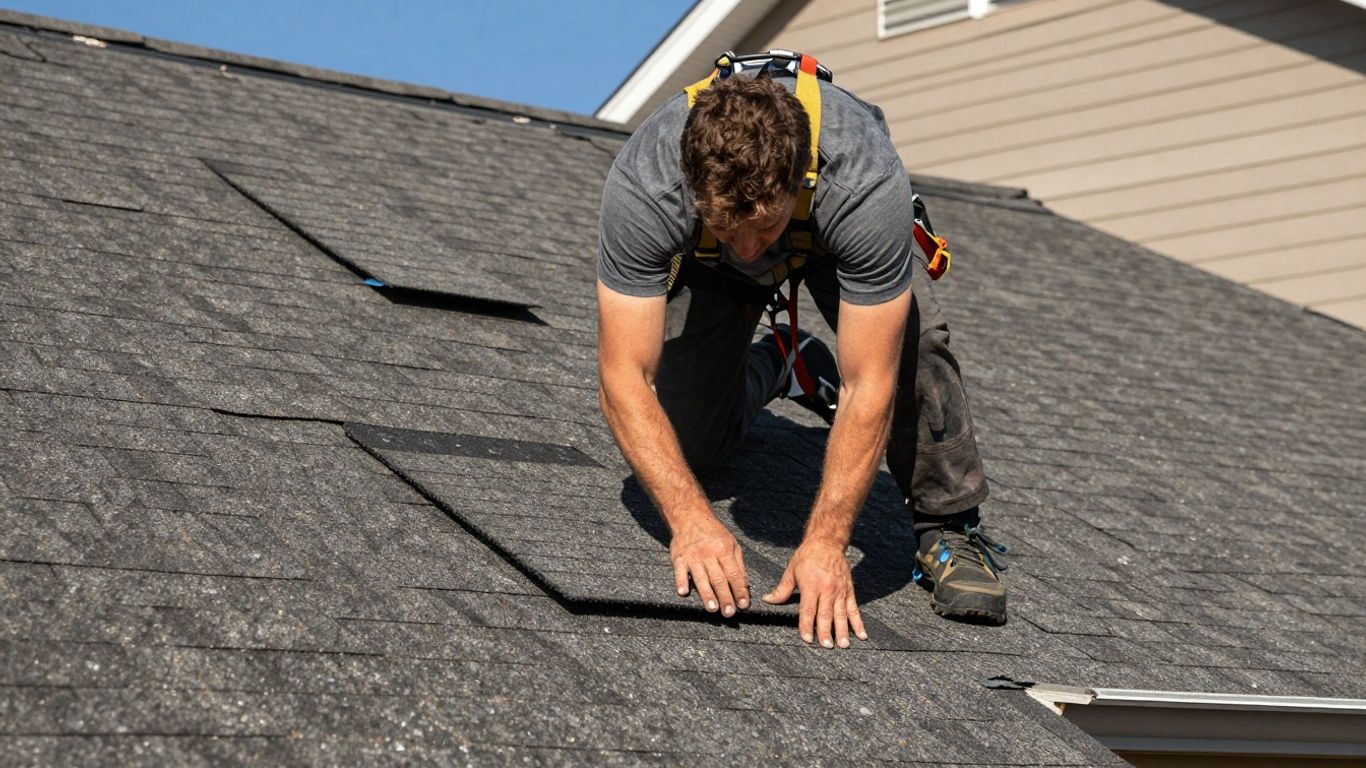
When you’re up on a roof, you need to protect yourself from head to toe. This means a good hard hat is a must, especially if there’s any chance of falling debris. Safety glasses are non-negotiable to keep metal shavings and dust out of your eyes. Gloves are also super important; they protect your hands from cuts and abrasions when handling metal panels and using tools. And don’t forget sturdy work boots with good grip – you don’t want to be slipping around up there. Some folks even wear arm guards for extra protection when using certain tools. It’s all about minimizing risks.
Safe Practices For Power Tool Operation
Power tools are fantastic for efficiency, but they demand respect. Always read the manual before you use a new tool. Make sure you understand how it works and what its limitations are. When you’re cutting metal, be mindful of the heat generated. Some coatings on metal panels can be damaged by excessive heat, so quick, controlled cuts are usually best. Keep your work area clear of clutter so you don’t trip. And if a tool feels off, or starts making weird noises, stop using it and check it out. Don’t try to force a tool to do something it wasn’t designed for. For more on keeping your gear in top shape, check out these tips on metal roofing safety.
Clearing Debris To Prevent Corrosion
After you’ve made your cuts, there’s usually some metal scrap or shavings left behind. It’s really important to clean these up thoroughly. Small metal bits left on the roof can start to rust, and that rust can spread to your good panels, causing corrosion. So, after each cutting session, sweep or brush away all the metal dust and scraps. This simple step helps keep your finished roof looking good and lasting longer. It’s a small detail that has a big impact on the overall quality and longevity of the metal roof.
Innovative Tools For Metal Roofing Professionals
When you’re really getting into metal roofing, you start looking for ways to make the job go faster and cleaner. That’s where some of the more specialized gear comes in. It’s not just about having the right basic tools; it’s about having the smart tools that make a real difference on a big project.
Specialized Tools For Standing Seam Installation
For standing seam roofs, there are some neat tools designed specifically for the job. Think about tools that help you make those clean, interlocking seams without a fuss. Some manufacturers make tools that crimp the seams right on the roof, which is way faster than doing it by hand. These can really speed things up and make sure you get a consistent, weather-tight seal every time. It’s all about efficiency and getting that professional finish.
On-Site Solutions For Efficiency
Beyond the specialized seam tools, there are other gadgets that just make life easier when you’re out on a job site. Things like portable seamers or even specialized shears that can be attached to drills can make a big difference. The goal here is to reduce the amount of handling and setup needed, so you can spend more time actually installing and less time fiddling with equipment. Having the right tool for the specific task at hand is key to a smooth workflow.
The Importance Of Quality Metal Roofing Tools
It might sound obvious, but using good quality tools really does matter. Cheap tools can break, make inaccurate cuts, or even damage the metal panels themselves. When you’re dealing with materials that need to last for decades, you don’t want to cut corners on the tools you use. Investing in reputable brands means you’re likely getting tools that are built to last and perform well, which saves you headaches and money in the long run. It’s about getting the job done right the first time.
Wrapping It Up
So, there you have it! Cutting metal roofing might seem a bit daunting at first, but with the right tools and a little practice, you can get the job done right. From trusty tin snips for those smaller jobs to more powerful tools for bigger tasks, having the correct gear makes all the difference. Remember to always measure twice, cut once, and most importantly, keep safety first. With the right setup, you’ll be installing metal roofs like a pro in no time.
Frequently Asked Questions
What are the basic tools needed to start cutting metal roofing?
For most jobs, you’ll need a good tape measure to get your measurements right. A speed square is also super handy for drawing straight lines and checking your angles. For marking where to cut, a Sharpie marker is best because regular pencils can make the metal rust.
What kind of snips are best for cutting metal roofing?
For smaller cuts and curves, tin snips are excellent. They come in different types, like aviation snips, which are great for detailed work. It’s good to have a few different kinds to handle various cuts.
What power tools are useful for cutting metal roofing?
When you need to cut through thicker metal or make long, straight cuts faster, power tools are the way to go. A reciprocating saw is good for curves and rougher cuts, while electric shears are great for long, clean cuts. A circular saw can also be used if you modify the blade.
What’s the deal with heat when cutting metal roofs?
When using power tools, especially saws, they can create heat. This heat can damage the protective coating on the metal, which helps prevent rust. It’s best to make quick cuts and avoid letting the blade sit on the metal for too long.
What safety gear should I wear when cutting metal roofing?
Safety is super important! Always wear safety glasses to protect your eyes from flying metal bits. Gloves are a good idea to protect your hands, and depending on the job, you might need a hard hat or other protective gear. Also, make sure to clean up any metal scraps afterward to prevent rust.
What are nibblers and electric shears used for?
Nibblers are specialized tools that ‘nibble’ away small pieces of metal, creating very clean and precise cuts without bending the metal. Electric shears are good for making long, straight cuts efficiently. Both are excellent options for professional results.